Laser Etching Services for Tungsten Carbide Parts
Permanent part numbers, serial codes, logos, and traceability marks for carbide components that need clean identification without labels, inks, or secondary tags.
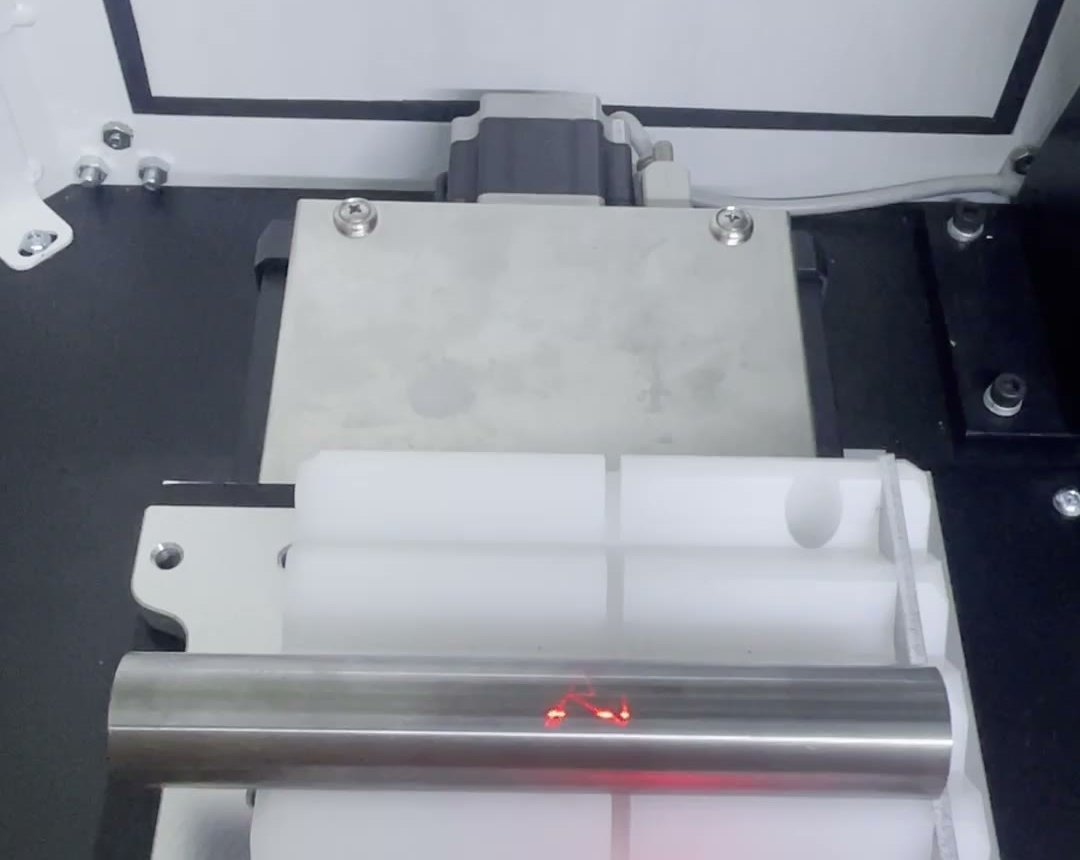
Permanent identification, handled like a manufacturing step.
Laser etching belongs in the same conversation as the drawing, finish, tolerance, and inspection requirement. Extramet helps manufacturers add durable identification to tungsten carbide parts while keeping the quote process practical: send the part details, the mark content, and where the mark needs to live.
The goal is not decoration. It is a clean, readable mark that helps your team identify parts, separate lots, support quality records, and keep critical components traceable after the part leaves the shop.
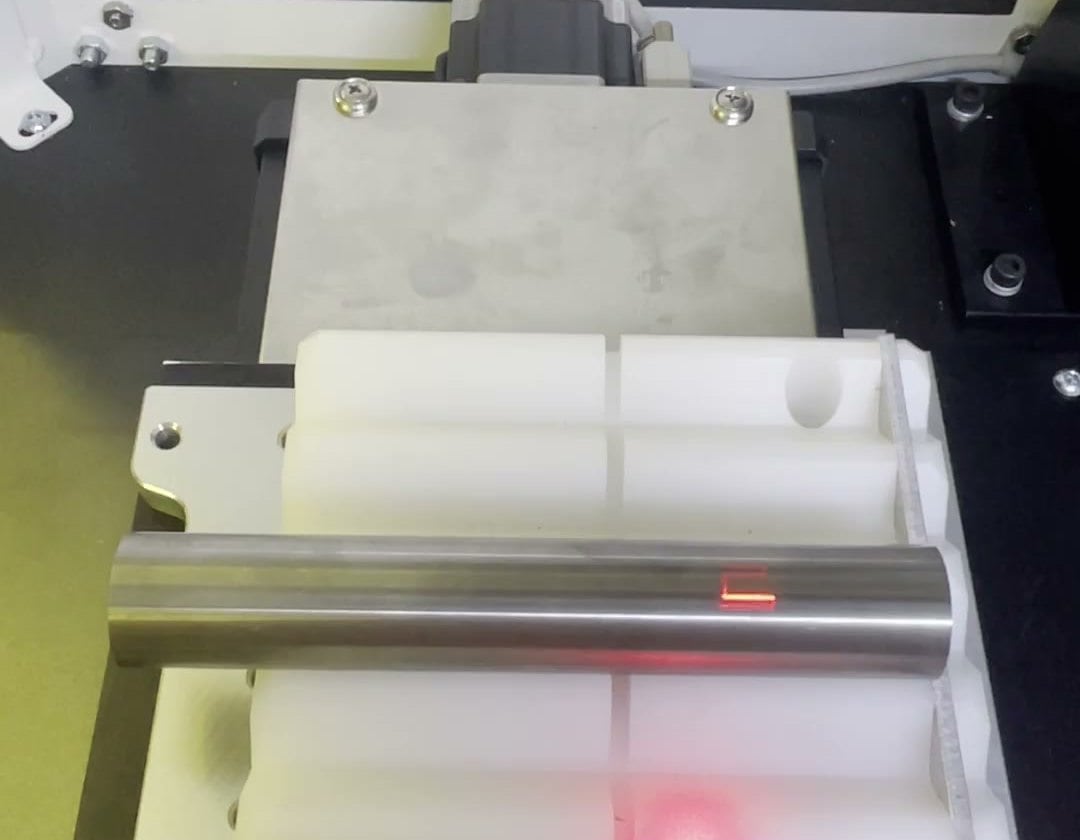
What We Mark
Clear identification for production, quality, inventory, and part-level traceability.
Part Numbers
Permanent part identification for carbide rods, blanks, engineered components, and production parts.
Serial Codes
Sequential identifiers for individual pieces, matched sets, reorders, and long-running production programs.
Lot & Date Codes
Readable marks that help connect the finished part back to the order, lot, or manufacturing record.
Logos & Text
Company marks, short labels, orientation notes, or human-readable text when the part geometry allows it.
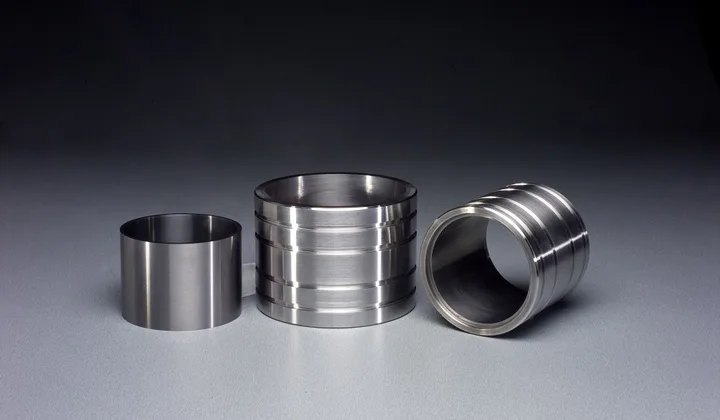
Etching details that should be reviewed before quoting
Mark quality depends on more than the laser. The part shape, carbide grade, surface finish, mark size, and readability requirement all change the right approach.
| Material | Tungsten carbide grade or customer-supplied material details |
|---|---|
| Mark Content | Part number, serial code, lot/date code, logo, or text |
| Mark Location | Drawing callout, flat/cylindrical surface, orientation, and available space |
| Finish Need | Polished, ground, regular finish, or special readability requirements |
| Quantity | Prototype, small batch, repeat order, or production run |
A cleaner path from drawing to marked part
Laser etching works best when the mark is planned before the part is already finished and rushed out the door.
- Send the print and mark detailsInclude the drawing, material or grade, mark content, mark location, and quantity.
- Confirm surface and readability needsExtramet reviews whether the mark should prioritize contrast, size, orientation, or placement.
- Coordinate with machining or grindingEtching can be considered alongside carbide material, grinding, finish, and inspection needs.
- Receive marked carbide partsParts leave with permanent identification that helps production, inventory, and quality teams stay aligned.
Laser etching, marking, and engraving are not always the same job.
Many buyers use these terms interchangeably. For RFQ work, the useful question is what the mark needs to do: identify the part, survive handling, stay readable, meet a drawing note, or carry branding. Extramet can review the part and help determine the practical marking approach for the material and surface.
Quality support that fits critical carbide components
Extramet’s laser etching service is strongest when it supports the rest of the carbide workflow: grades, blanks, machining, centerless grinding, cylindrical grinding, and production documentation. That keeps part identification connected to the same production context as the carbide component itself, from material selection through final inspection.
View ISO certificate
Questions buyers ask before laser etching carbide parts
What can Extramet add with laser etching?
Part numbers, serial codes, lot or date codes, logos, orientation notes, and short human-readable text can be reviewed for tungsten carbide components.
Does laser etching weaken tungsten carbide parts?
Laser etching is a non-contact process, but the final approach should still be reviewed against the grade, finish, geometry, mark location, and performance requirement.
Can Extramet etch customer-supplied material?
Customer-supplied material can be reviewed. Include the grade or material documentation, drawing, quantity, and mark requirements with the RFQ.
What should I send for an accurate quote?
Send the drawing, carbide grade or material, mark content, mark location, quantity, finish/readability need, and any timing requirement.
Ready to add permanent identification to a carbide part?
Send the print, mark details, material, and quantity. Extramet will review the best path for your application.