
Precision Surface Grinding Services for Tungsten Carbide Parts
Flat carbide surfaces, wear faces, mating faces, and finish requirements reviewed around the drawing, carbide grade, size, quantity, inspection needs, and process path.
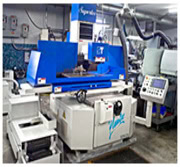
Flat surface control, handled like a manufacturing step.
The grinding plan belongs in the same conversation as material grade, finish, flatness, edge condition, inspection, and the way the carbide part works in the assembly. Extramet helps buyers clarify those requirements before production, not after a part is already late.
Send the drawing, carbide grade if known, size, quantity, critical surfaces, finish requirements, and application notes. Extramet can then review whether surface grinding, another grinding process, or a broader machining route is the right fit.
What surface grinding helps control
Use this page when the print centers on a flat face, mating surface, wear face, or finish requirement.
Flat Faces
Controlled faces, locating surfaces, and flat carbide details where surface condition affects fit.
Mating Surfaces
Surfaces that contact another component, seal, locate, slide, or support repeat assembly work.
Wear Faces
Carbide surfaces that need finish review because the part will see wear, pressure, or repeated motion.
Print Details
Drawing-based flatness, finish, inspection, and edge-condition requirements that should be reviewed early.
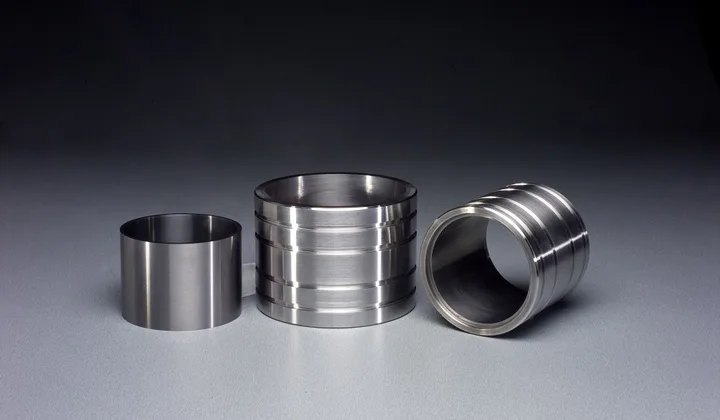
Grinding details that should be reviewed before quoting
The drawing usually tells the story. Part geometry, carbide grade, surface finish, flatness needs, edge condition, and inspection expectations all affect the practical grinding route.
| Material | Tungsten carbide grade, binder system if known, or application notes if the grade is still open |
|---|---|
| Part Type | Blanks, wear faces, tooling details, carbide components, and drawing-based parts |
| Surface Need | Flatness, finish, edge condition, mating surface, or wear face requirements from the print |
| Size Fit | Extramet notes support for products up to 36 inches in length |
| Quantity | Prototype, small batch, repeat order, or production run |
A cleaner path from drawing to surface-ground part
Surface grinding works best when the critical face is identified before grade, process order, finish, and inspection decisions are locked.
- Send the print and carbide detailsInclude the drawing, grade or material, part size, quantity, and target due date.
- Identify the critical surfacesNote the face, wear surface, mating surface, finish requirement, or flatness callout.
- Confirm the process pathExtramet reviews whether surface grinding, centerless grinding, cylindrical grinding, or machining fits best.
- Receive reviewed carbide partsParts can be produced with the surface requirement tied back to the drawing and application.
Surface, centerless, and cylindrical grinding are not the same job.
The useful question is not simply whether carbide can be ground. It is which surface controls how the part functions. Flat faces, outside diameters, shoulders, tapers, and broader machined features can point to different Extramet capabilities.
Quality support that fits critical carbide components
Extramet’s surface grinding service is strongest when it supports the rest of the carbide workflow: grade selection, blanks, machining, centerless grinding, cylindrical grinding, inspection, and production documentation. For the broader process menu, review the on-site services overview.
For material decisions, start with tungsten carbide grades. If the job should begin from stock or semi-finished material, review tungsten carbide blanks before sending the RFQ.
Questions buyers ask before surface grinding carbide parts
What should I send with the drawing for a quote?
Send the print or drawing, carbide grade if known, dimensions, quantity, flatness or surface-finish requirements, deadline, and notes about how the part will be used.
Does Extramet surface grind tungsten carbide?
Yes. Extramet lists surface grinding for tungsten carbide as one of its on-site services. The team reviews each drawing for material, size, finish, inspection, and process fit before quoting.
Is surface grinding the same as centerless or cylindrical grinding?
No. Surface grinding is usually tied to flat surfaces and faces. Centerless and cylindrical grinding are usually better fits for round outside-diameter work, rods, pins, shoulders, tapers, and similar features.
Can Extramet help choose the carbide grade too?
Yes. If the grade is not locked in, include application details with the RFQ. Extramet can help connect grade selection, grind allowance, and finishing requirements.
Ready to review a surface-ground carbide part?
Send the print, grade, size, finish requirement, quantity, and application notes. Extramet will review the best path for your application.
When surface grinding details change the quote
Surface grinding is most useful when flatness, parallelism, finish, and controlled faces matter to the way the part works. A better RFQ includes which faces are critical, what they mate against, whether stock removal is expected, and whether the part is material-only, customer-supplied, or part of a finished-component request.
Include inspection notes and any failure history when the current part is wearing, rocking, leaking, losing flatness, or changing alignment in service.